What is an SMS code? Types, how it works, and use cases
- Published : November 3, 2026
- Last Updated : November 3, 2026
- 0 Views
- 8 Min Read

If you were to ask three people what an "SMS code" is, you'll get three different answers. One thinks of the six digits that pop up when they log in to their bank. Another pictures a five-digit number you text "JOIN" to. A third imagines an ordinary-looking phone number that sends appointment reminders. They're all technically right.
Quick answer: An SMS verification code is a one-time passcode sent by text to confirm someone's identity. Short codes (5 to 6 digits) and long codes (standard 10-digit numbers) are the sender numbers that deliver SMS messages. Short codes suit high-volume, time-sensitive sending. Long codes suit lower-volume, conversational messaging.
This guide covers what short and long codes are, how they compare, and what to check before you pick one for your business.
What are SMS codes?
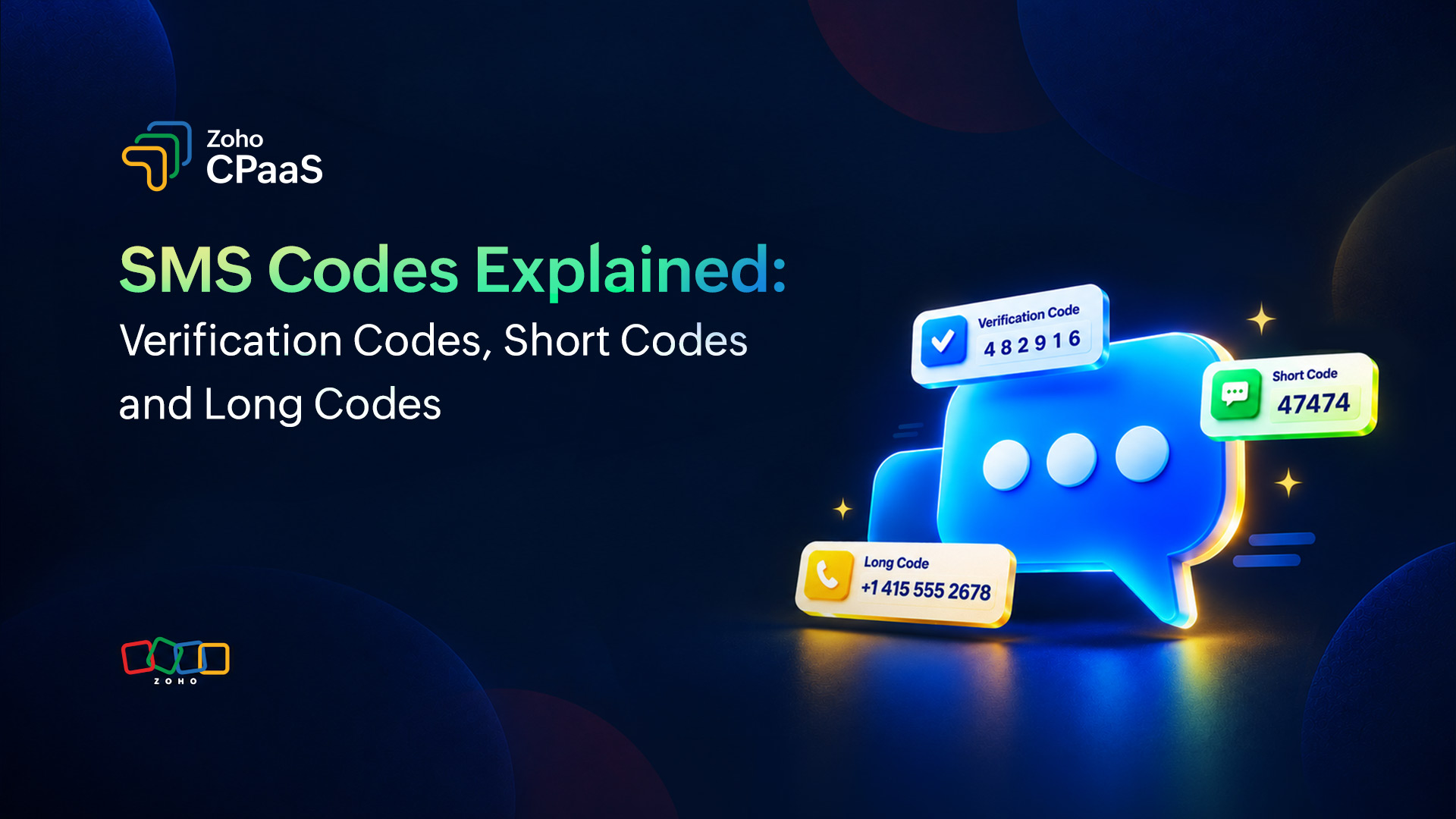
SMS codes are the numeric codes and sender numbers used in text messaging. The term covers two separate things: verification codes, which are the content of a message, and short codes and long codes, which are the numbers a message is sent from.
The two are closely linked. When an app texts you a login code, that code travels from a short code or a long code. So the sender number you choose affects how quickly your codes arrive, how often they get filtered, and what you pay to send them.
What is an SMS verification code?
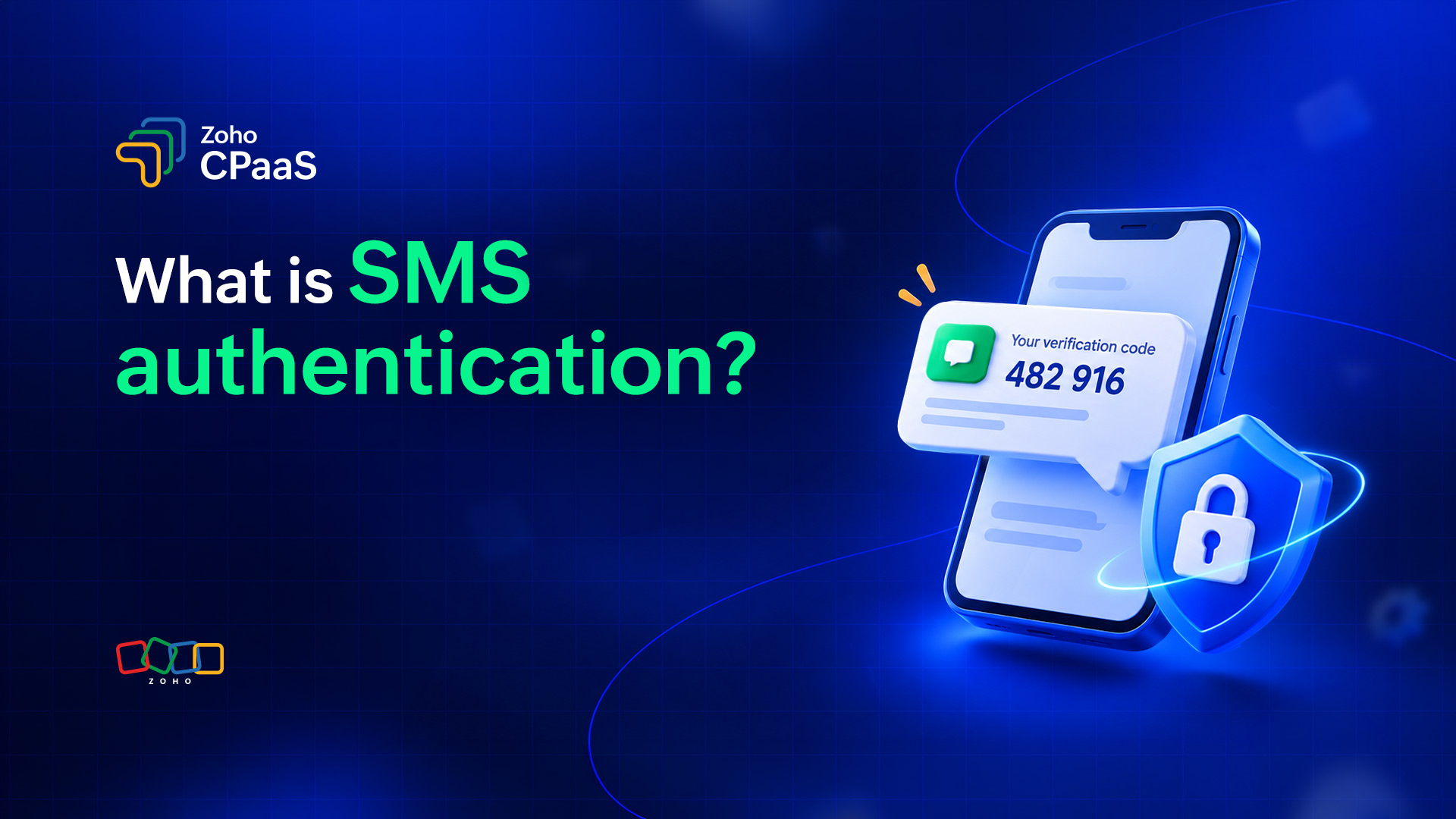
An SMS verification code is a temporary, single-use code sent to a phone to prove that the person holds that number or is allowed to take a particular action. Most are four to eight digits long. You'll also hear them called one-time passwords (OTPs), 2FA codes, passcodes, or confirmation codes. In everyday use, these terms mean the same thing. The SMS codes discussed in this article are different from the SMS verification codes users receive.
What is an SMS short code?
An SMS short code is a five- or six-digit phone number designed for sending large volumes of text messages quickly. You’ve almost certainly seen one: It’s the number behind your bank’s login codes, a retailer’s “reply STOP to opt out” promotions, or the delivery alert that tells you your package is 10 minutes away. Unlike a regular phone number, a short code isn’t something you can just pick up and start using. A business leases it, and carriers review and approve it for a specific purpose before a single message goes out.
They can push through thousands of messages in a short window, they rarely get flagged as spam, and people tend to trust a short, familiar number. The trade-off is that they cost more and take a few weeks to set up, so they make the most sense for businesses that need to reach a lot of people, quickly.
Types of SMS short codes
Short codes aren’t all the same. The main distinctions are how the number is chosen, who uses it, and how messages are billed.
Random short codes: The registry assigns you a number from the available pool. They’re the standard, lower-cost option, and a good choice if you don’t need a specific number.
Vanity short codes: You pick a number that’s easy to remember or spells something, such as one that matches your brand name on a phone keypad. They cost more, and they’re popular for keyword campaigns where customers have to type the number themselves.
Dedicated short codes: One brand uses the number exclusively, which means your sender reputation is yours alone. In the US, carriers now require dedicated short codes, and shared ones are no longer allowed. Some other markets still permit sharing, so check local rules.
Standard-rate and premium-rate short codes: With standard rate, the sender pays for outbound messages and the recipient pays only their usual carrier rate. Premium-rate short codes bill the recipient extra for each message, which is how paid content, donations, and some subscription services work. Premium billing carries stricter approval and disclosure rules.
Country-specific short codes: A short code is generally valid in one country only. Sending in several countries usually means leasing a separate code in each, and the length, format, and rules differ in each market.
What is an SMS long code?
An SMS long code is a standard 10-digit phone number, either local or toll-free, that can send and receive text messages. It looks like any regular number, which gives it a personal, conversational feel. That's why customers tend to reply to it. When a clinic reminds you about tomorrow’s appointment, or a support team texts you an update on your order, there’s a good chance it came from a long code, and a good chance you felt comfortable replying. Long codes come in a few forms, including local numbers and toll-free numbers. They’re usually cheaper and quicker to set up than short codes; in many cases, you can be up and running within days.
The catch is that they can’t match a short code’s speed at high volumes, and in markets like the US, you need to register them with carriers before sending business messages, or your texts may be filtered or blocked. For businesses with moderate volume that want a personal, two-way feel, a long code is often the most practical place to start.
Types of SMS long codes
Long codes come in several forms, and the right one depends on where you send and how much.
Local 10DLC numbers (US): These are standard 10-digit local numbers registered for application-to-person (A2P) messaging. You register your brand and campaign with carriers through The Campaign Registry; your registration and vetting status influence how many messages you can send per second. Smaller senders and sole proprietors usually register under a lighter, lower-volume option.
Toll-free numbers: These use prefixes like 800, 888, or 877 and can be enabled for texting. They need their own verification process, and once verified, they generally support higher throughput than unregistered local numbers. They also suit businesses that want a nationwide, non-local presence.
Virtual mobile numbers (international long codes): Outside the US, long codes are often mobile-format numbers in the local country format, such as a UK number starting with 07. They help messages look local, but while some markets accept them for A2P traffic, others restrict them.
Dedicated vs. Pooled numbers: A dedicated long code is used by one brand. A number pool spreads traffic across several long codes to raise total throughput and protect each number’s reputation.
Person-to-person (P2P) numbers: These are ordinary numbers meant for human conversations. Using them for automated or bulk messaging is against carrier rules, and those messages are likely to be blocked.
Short code vs. Long code: What's the difference?
Factor | Short code | Long code |
|---|---|---|
Format | 5 to 6 digits | 10 digits (local or toll-free) |
Throughput | Very high | Moderate and depends on registration |
Set-up time | Several weeks | Days to a few weeks |
Cost | Higher (lease plus per-message) | Lower |
Two-way messaging | Supported, often keyword-driven | Supported, conversational |
Best for | High-volume, time-sensitive messaging | Support, reminders, moderate-volume alerts |
Which one should you choose?
Pros and cons of SMS short codes
Pros
High throughput: Short codes can often send around 100 messages per second or more, so they handle big campaigns and traffic spikes well.
Strong deliverability: Carriers pre-approve the number and its use case, so messages are less likely to be filtered as spam.
Fast, reliable OTP delivery: Time-sensitive codes tend to land in seconds, even at peak hours.
Easy to remember: A short number builds trust and works well for keyword opt-ins.
Built for two-way campaigns: Keywords like JOIN or STOP are simple to manage.
Cons
Cost: Lease fees can run to thousands of dollars a year in markets like the US, plus set-up fees and per-message charges.
Slow to launch: Provisioning usually takes several weeks, since carriers review each application.
Limited reach: A short code generally works only in the country where it was provisioned, and some countries don’t support them at all.
Less personal: A short code feels like a broadcast number, so it’s a weaker fit for one-to-one conversations.
Strict program rules: Carriers audit short code programs, and breaking the approved use case can get the code suspended.
Pros and cons of SMS long codes
Pros
Lower cost: There’s no lease fee on the scale of a short code, and per-message rates are usually lower.
Quick to start: Setup can take days rather than weeks, especially for toll-free and international numbers.
Conversational: A familiar number invites replies, which suits support and appointment workflows.
Flexible and scalable across regions: Local numbers make messages feel familiar, and number pools can grow with your volume.
Voice-capable: Many long codes can also take calls, so one number can handle both channels.
Cons
Lower throughput: Large bursts can get queued or throttled, depending on your registration level.
Registration is essential: Unregistered A2P traffic is increasingly filtered or blocked in the US.
Deliverability depends on reputation: Poor content or high complaint rates can hurt a number quickly.
Rules vary by country: Some markets require pre-registered sender IDs or templates, and others restrict long codes for A2P use altogether.
Harder to remember: A 10-digit number isn’t practical for keyword campaigns where users type the number.
Verdict on which you should use
Start with volume and urgency. If you send big batches, or your codes must land within seconds, even at peak hours, a short code is the safer bet. If your volume is moderate, your conversations go both ways, or you need to launch fast, a long code will usually do the job.
Then, think about budget and geography. Short codes cost more and rarely cross borders, while long codes are easier to extend across regions. Plenty of businesses use both: a short code for high-volume OTPs and promotions, and a long code for support chats.
SMS compliance essentials
Whichever number type you pick, SMS is regulated, and the rules depend on where your recipients live.
Consent and opt-out: In the US, the TCPA and CTIA guidelines call for clear consent before marketing texts, plus a working opt-out like STOP. In India, TRAI's DLT framework governs sender IDs and message templates. In the EU, GDPR shapes how you collect and use phone numbers.
Carrier registration: Expect 10DLC brand and campaign registration for US long codes, toll-free verification for toll-free numbers, and DLT registration in India.
These requirements and fees change often, so check the latest rules with your provider before you launch.
How to send SMS codes with an SMS API
An SMS API lets your application generate a code and send it automatically, with no manual steps. When you compare providers, focus on three things:
Delivery speed and reliability - A slow OTP means an abandoned login.
Number type and coverage - Make sure the provider supports the number types and countries you need.
Compliance tooling and delivery logs - These make registration easier and help you trace failures quickly.
Zoho CPaaS offers a dedicated SMS API built for OTPs and transactional messages, with delivery reporting so you can see what happened to every message. It sits alongside separate, dedicated APIs for email, WhatsApp, and voice, so you can add channels when you're ready.
Conclusion
Verification codes are what secure logins and transactions, and short codes and long codes are the numbers that carry them. Short codes give you scale and speed at a higher price, while long codes give you flexibility and a quicker start. Match the sender type to your volume, budget, and regions, follow the registration rules, and your codes will reach users fast. When you're ready to start sending, explore the Zoho CPaaS SMS API.