What is IoT ?
IoT, also referred to as the Internet of Things, is where the real and digital worlds shake hands. It is a collection of interlinked devices, assets, and sensors, ranging from Indoor Air quality to full-blown industrial-grade machinery. These devices are connected to the cloud via gateways and networks like HTTP and MQTT. These allow data to be collected and visualized in an IoT-powered solution.

Table of contents
- The Five Layered Architecture
- Applications of IoT
- Why Industries choose IoT?
- Key Features of IoT
- What are the benefits of IoT?
- IoT Security and Risks
- What is an IoT Platform?
- What is an IoT Solution?
- What is the next big thing?
The Five Layered Architecture
Most modern IoT deployments are described using a five-layer architecture. Each layer has a specific job and a specific set of technologies.

Perception layer
Sensors, meters, PLCs, RFID tags and actuators on the ground generating the raw signal.
Network layer
The connectivity fabric (Wi-Fi, Ethernet, cellular, LoRaWAN, NB-IoT) that moves data to the cloud.
Edge layer
Gateways and edge compute that translate legacy protocols, run local rules and buffer data during outages.
Platform layer
The IoT platform that ingests data, manages device identity, runs analytics and exposes APIs.
Application layer
Dashboards, mobile apps, alerts, reports and integrations into your CRM, ERP, BI and ticketing systems.
Applications of IoT

Industrial Internet of Things (IIoT)
Monitor and automate operations on your shop floor like a hawk. From machine monitoring, traceability, workforce management, to predictive maintenance, boost your industrial efficiency in no-time with Industrial IoT.

Smart Building
Make your buildings smarter with IoT. Combine asset management, energy management, tenant management, and facility management all in one place and streamline your building's operations with ease.

Energy Management
Chase your net-zero goals with IoT. Track your energy consumption patterns, fault detections, energy forecasting, and carbon footprint like a pro with energy management solution.

Fleet Management
Managing a huge fleet can be difficult, IoT makes fleet management feel like a breeze with real-time tracking of multiple vehicles, driver behaviour, fuel consumption, and geofencing.
Why do industries choose IoT?
IoT isn't one-size-fits-all. It can be tailored to fit every industry's need. IoT can benefit numerous industries in today's interconnected ecosystem, where data is the key driver of growth and efficiency for all businesses.
Manufacturing
Industrial IoT solution enable industries to reduce wastage and boost production efficiency. They can monitor real-time machine performance, identify anomalies, and use historical data for traceability and predictive maintenance.
Retail
Companies are increasingly aiming to improve visibility and traceability in the supply chain. IoT in retail stores can optimize inventory with RFID and smart shelves, automate restocking, and streamline supply chain tracking
Safety & Security
Safety is the top-most priority for all businesses. IoT can boost workplace safety with real-time monitoring, wearables, gas leak alerts, and location tracking for high-risk zones. IoT monitors and improves employee safety, this is key especially in hazardous jobs like mines, gas, and oil fields.
Automotive
Automotive industries not only benefit from installing IoT devices in its production floor for monitoring the production lines. IoT in vehicles detect defects, prevent breakdowns, and alert drivers & maintenance teams instantly when on road.
Public Sector
IoT in the public sector has numerous benefits for both governments and people. Public companies that handle crucial services like electricity, water, and gas can use IoT in their utilities.
Healthcare
Remote patient monitoring, medication adherence, asset tracking inside hospitals and connected medical devices reduce readmissions and free up clinical staff for higher-value work.
Key Feature of IoT
Edge Computing
Gather, analyze, and automate your IoT data closer to the source for faster computation.
Explore more →Alarms & Notifications
Take instant action on failures with real-time notifications & alerts.
Explore more →Client Management
Provide clients with their own space to monitor their assets and manage their users.
Explore more →Live Tracking
Manage your assets and fleet anytime, anywhere with live tracking the maps in real time.
Explore more →Tech Agnostic
IoT solution that allows you to connect any devices, sensors, and brands seamlessly.
Explore more →What are the benefits of IoT for business?
IoT helps businesses know more and do more. From operational transparency to energy savings, IoT turns data into decisions, and decisions into profits. Few of its benefits include
IoT security and risks
IoT expands the attack surface dramatically. Every connected device is a potential entry point, and many devices were not designed with security as a first-class concern. The 2016 Mirai botnet which infected hundreds of thousands of consumer IoT devices to bring down large parts of the internet was the industry’s wake-up call. It is important to understand how to secure an IoT deployment and latest IoT standards and regulations
Challenges of IoT adoption
IoT delivers significant value, but organizations should be aware of the common challenges of large-scale deployment:
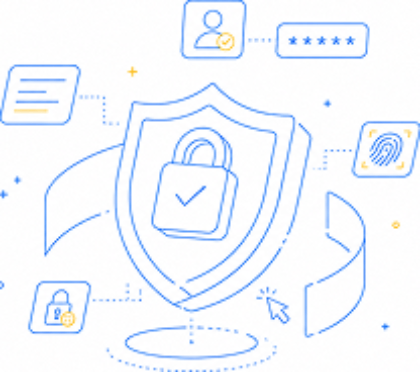
Security and privacy
Every connected device is a potential attack surface. Strong encryption, device authentication, network segmentation, and regular firmware updates are essential.
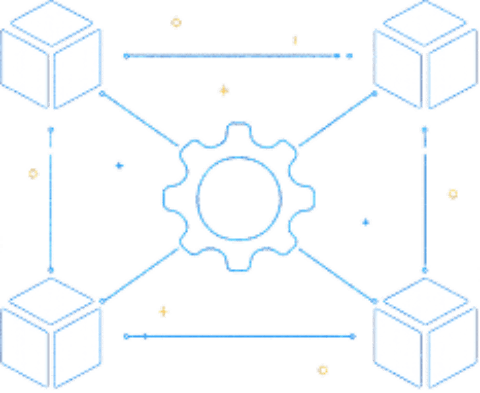
Interoperability
IoT involves devices from many vendors using different protocols. A platform that supports multiple standards is essential to avoid vendor lock-in.
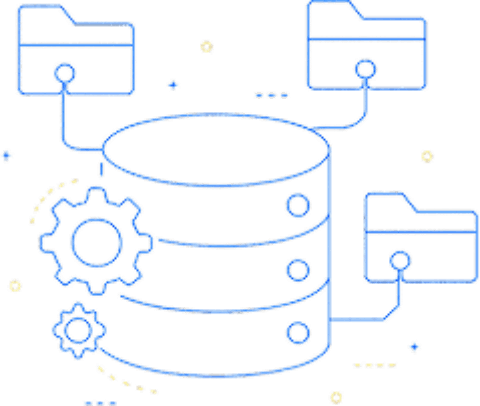
Data management
IoT generates large volumes of data. Storage, processing, and analysis need to be designed from day one, not retrofitted later.

Implementation complexity
IoT spans hardware, networks, cloud, and applications. Choosing pre-built solutions over ground-up development reduces time to value.

Upfront investment
Devices, connectivity, and platform subscriptions require initial spend. A clear ROI model tied to specific business outcomes is critical.
What is an IoT Platform?
IoT platform is what provides real value to IoT, and it acts as your command centre. The IoT-enabled devices collect data. The IoT platform would process the data and help us visualize the data meaningfully. But it doesn't stop there, it also helps you set up workflows, automate tasks, trigger alerts, and generate reports that drive real value.
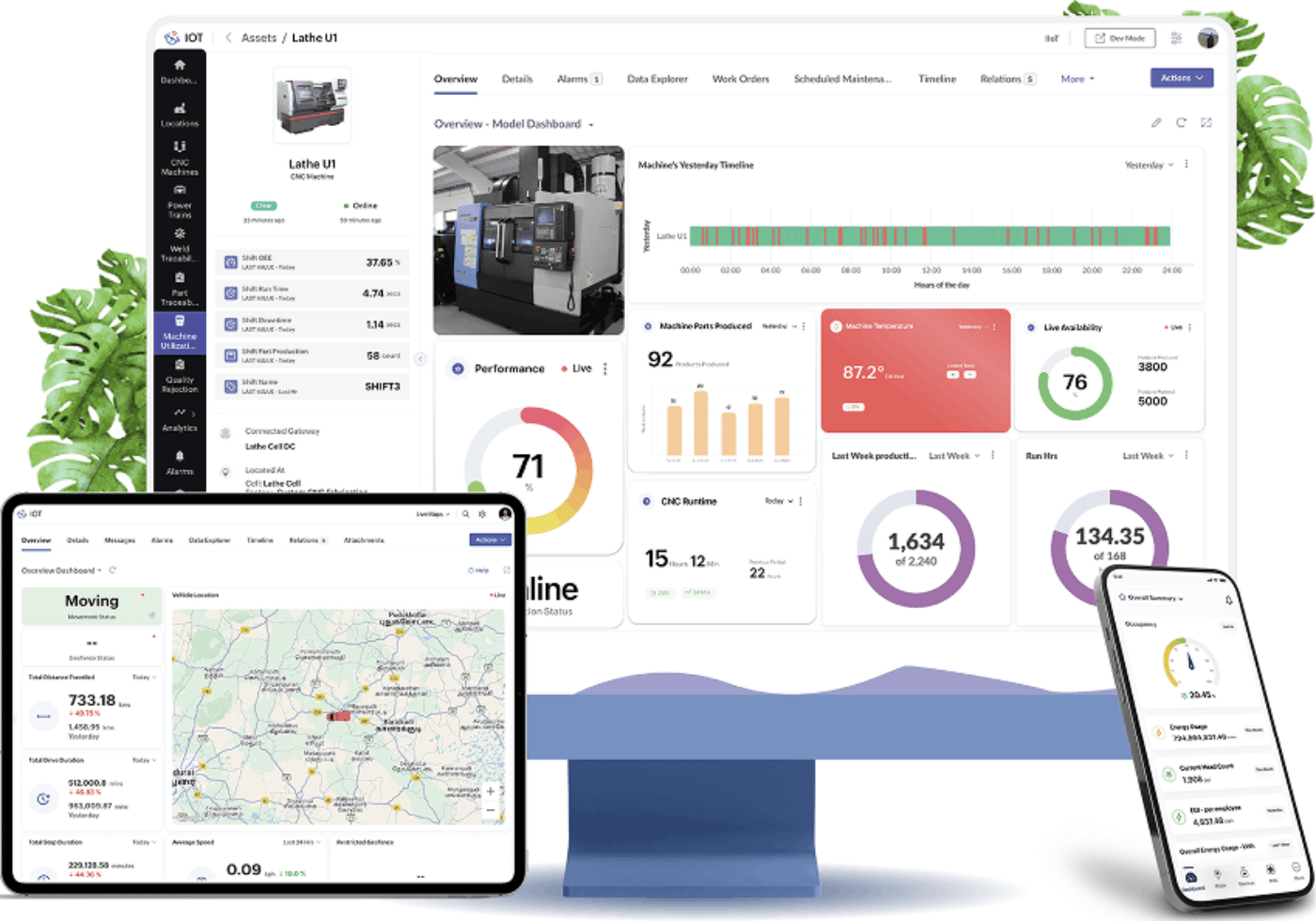
Things to look for in
an enterprise-ready IoT platform
Explore more →What is an IoT Solution?
While the platform is the engine, the solution is your ready-to-drive car. IoT solutions are pre-built ready-to-use templates that can be used for a specific use case like Industrial IoT, smart buildings, or energy management. It can also address point solutions for single applications like indoor air quality. No coding, no waiting, easy plug, play, and power up.
Why IoT is the next big thing?
0 Billion
IoT connected devices by 2030
0%
Enterprise IoT makes up around three-quarters of the IoT market
$0 Trillion
The expected value of the IoT market by 2029
0%
Increase in workforce productivity across relevant operations
0%
Reduction in defect rates in industries.
0% CAGR
Projected for the IoT market from 2025 to 2029